


Effective Strategies for Back Pain Relief

Updated: Aug 18, 2025
Understanding Back Pain
Before tackling back pain with exercises, it's crucial to know its common causes. Muscle strain, herniated discs, and conditions like arthritis or scoliosis are significant culprits. Most back pain episodes resolve within a few weeks, but understanding your triggers can speed up recovery. Home exercises for back pain can provide effective relief for chronic back pain.
For example, if you spend long hours sitting in front of a computer, your back pain may be due to poor posture. Identifying your specific pain type will help make your exercise routine more effective.
Home Exercises for Back Pain
Strengthening the muscles supporting your back can reduce pain and enhance your posture. Here are some exercises to kickstart your journey:
1. The Bridge
The Bridge targets your lower back, glutes, and hamstrings, boosting overall strength. This is not recommended in the first week after an acute back injury causing pain.
How to do it:
Lie on your back with your knees bent and feet flat on the floor, hip-width apart.
Press through your heels as you lift your hips towards the ceiling, creating a straight line from your shoulders to your knees.
Hold the position for three seconds, then lower back down.
Aim for three sets of 10-15 repetitions. Studies show that strengthening exercises like the Bridge can improve spinal stability significantly.
2. Bird-Dog
The Bird-Dog engages both your core and lower back, enhancing balance and stability.
How to do it:
Start on all fours with your hands under your shoulders and knees under your hips.
Extend your right arm forward while extending your left leg back, keeping your hips level.
Hold for a moment, then switch sides.
Aim for 10-15 repetitions on each side. This exercise can help improve coordination and balance, reducing the likelihood of falls — a significant risk for older adults.
3. Knee to Chest Stretch
How to do it:
Bend your knees so that the feet are flat on the floor.
Reach underneath your knee and pull the knee in towards your chest as far as you can go comfortably.
Ensure you grab behind the thigh and not on top of the knee to avoid compressing the knee joint.
Hold this position.

Aim for 10-15 repetitions on each side. This exercise helps in acute back pain.
4. Trunk Rotation
How to do it:
Start face down on a mat.
Bend the elbows and bring your hands under your shoulders.
Push your upper body up into an extended position.
Keep your hips and thighs on the floor at all times.
Squeeze the buttock muscles throughout the duration of this exercise.
Hold this position.

Aim for 20-30 repetitions. This exercise helps in acute back pain.
5. Lateral Side Bend
How to do it:
Stand with your legs at hip width apart and your feet firmly on the floor with your arms by your side.
Reach one hand down to the side towards your knee, leaning your body with the movement.
Hold this position.
Lean to the other side, hold this position, and return back upright.
Note: the stretch can be increased by reaching overhead with your arm.

Aim for 10-15 repetitions on each side. This exercise helps in acute back pain.
6. Trunk Extension
How to do it:
Stand with your legs at hip width apart and straight.
Place your hands on your hips.
Lean your body backwards, trying to arch in the lower back as much as you can, lifting your chest up towards the ceiling.
Try to avoid allowing your hips to swing forwards too far.
Hold this position for 4 seconds before returning to the start position.
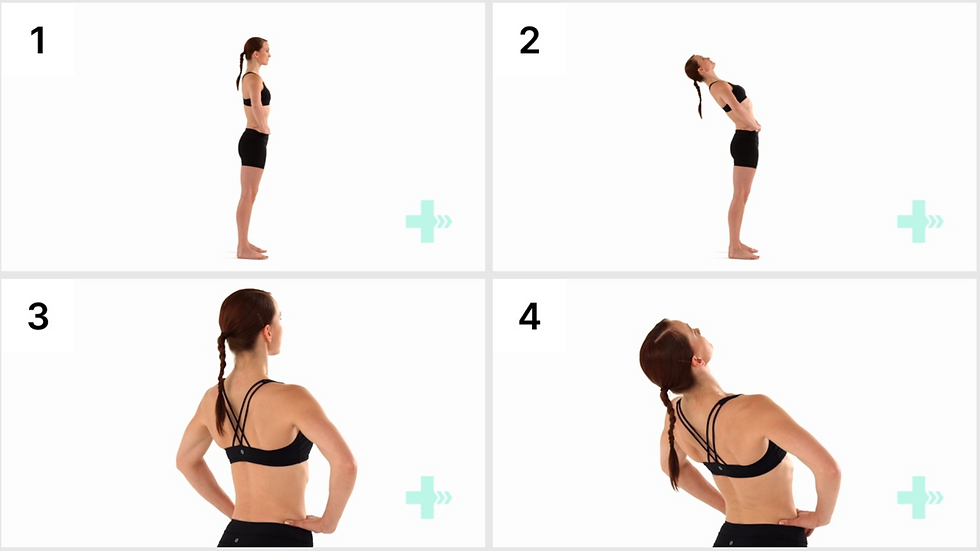
Aim for 20-30 repetitions. This exercise helps in acute back pain.
Stretching Exercises
Stretching is essential for reducing tension and enhancing flexibility in your back. Here are two effective stretches to include in your routine:
1. Child’s Pose
Child’s Pose offers a gentle stretch that eases tension in your back while promoting relaxation.
How to do it:
Kneel on the floor, touching your big toes together while sitting on your heels.
As you breathe out, lean forward, extending your arms and resting your forehead on the ground.
Hold this pose for 30 seconds to one minute, focusing on deep breathing.
Practicing Child’s Pose can provide immediate relief after a long day.
2. Cat-Cow Stretch
The Cat-Cow stretch fosters mobility in your spine and alleviates stress in the back muscles.
How to do it:
Start on all fours with your hands beneath your shoulders and knees under your hips.
Inhale as you arch your back, raising your head and tailbone (the Cow position).
Exhale, rounding your back and tucking your chin (the Cat position).
Aim for 5-10 rounds of this stretch, moving with your breath to enhance relaxation and flexibility.
Incorporating Mobility Work
Incorporating mobility work can further improve your back health. Engaging in activities like yoga or Pilates can enhance body awareness, support proper alignment, and provide tools for managing back pain. Studies suggest that those who practice yoga show a 21% reduction in back pain compared to those who don’t.
Consider adding a yoga or Pilates class to your weekly schedule to reap these benefits.
Lifestyle Changes for Back Pain Prevention
Along with specific exercises, lifestyle changes can significantly impact back pain management.
1. Improve Your Posture
Paying attention to your posture throughout the day is vital. Whether at a desk or standing, maintain spinal alignment. Using ergonomic furniture can enhance support and reduce strain on your back. Research shows that proper ergonomic adjustments can reduce discomfort by up to 50%.
2. Stay Active
Regular physical activity is crucial for maintaining a healthy back. Aim for at least 30 minutes of moderate exercise most days. Activities like brisk walking, swimming, or cycling can help you stay active and engaged in life.
3. Maintain a Healthy Weight
Carrying excess weight adds strain to your back. A balanced diet and consistent exercise can help you achieve and maintain a healthy weight, directly benefiting your back health. Studies confirm that losing just 5-10% of body weight can lead to noticeable reductions in back pain.
When to Seek Professional Guidance
While the mentioned exercises can be beneficial, it's essential to consult with a healthcare professional if your back pain persists or worsens.
Taking Action Toward Relief
Addressing back pain through targeted exercises requires a commitment to understanding your body and adding strategic movements to your daily routine. The exercises highlighted here—strengthening, stretching, and mobility work—can significantly enhance your journey toward a healthier, more comfortable back.
Consistency is crucial. By incorporating these exercises and making lifestyle adjustments, you can take significant steps toward alleviating back pain and improving your overall quality of life.
Embrace this new chapter, and let your journey toward pain-free living begin!


Comments